Battles worth learning from.
Twenty-eight famous, public IP fights — from a turmeric patent revoked with ancient texts to a bankrupt company's $4.5 billion portfolio — analysed for what they teach a business like yours. These are not our clients; they are everyone's syllabus.

The Turmeric Patent India Took Back
In 1995 a US patent was granted on turmeric's wound-healing use — knowledge every Indian household already had. India's CSIR got it revoked.…

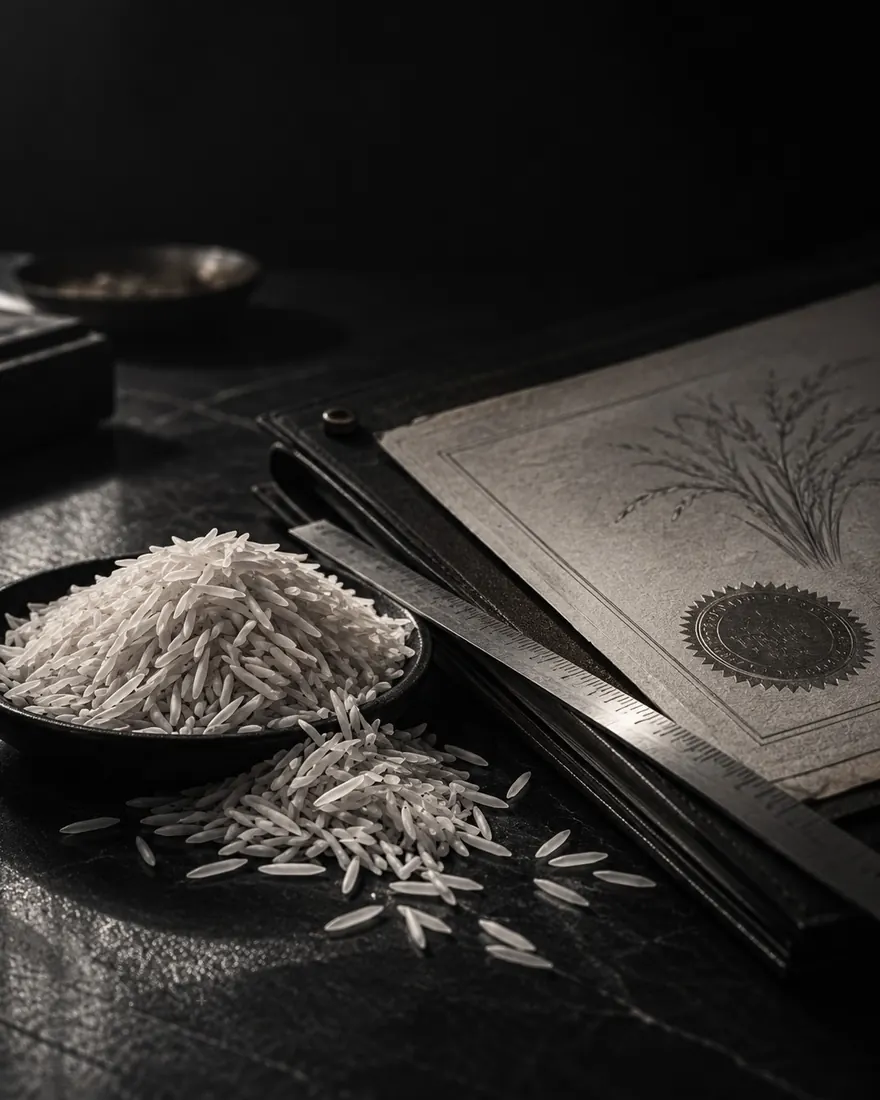
Basmati vs RiceTec: Defending a Name Worth Billions
A Texas company patented 'Basmati rice lines and grains' and branded American rice 'Texmati'. India pushed back with evidence — and most of …
Haldiram's: When Nobody Knows Who Owns the Name
One of India's most loved food brands spent decades in court — with itself. Family branches, territorial splits, and a name whose ownership …

Maaza: The Deal Where the Paperwork Was the Product
When Bisleri sold the Maaza brand to Coca-Cola for India, then tried to use it abroad, the entire dispute came down to one question: what ex…

Darjeeling Tea: India’s First GI and the Price of a Name
87 gardens, one name, endless imitators. Darjeeling became India's first registered Geographical Indication — and showed why registration is…
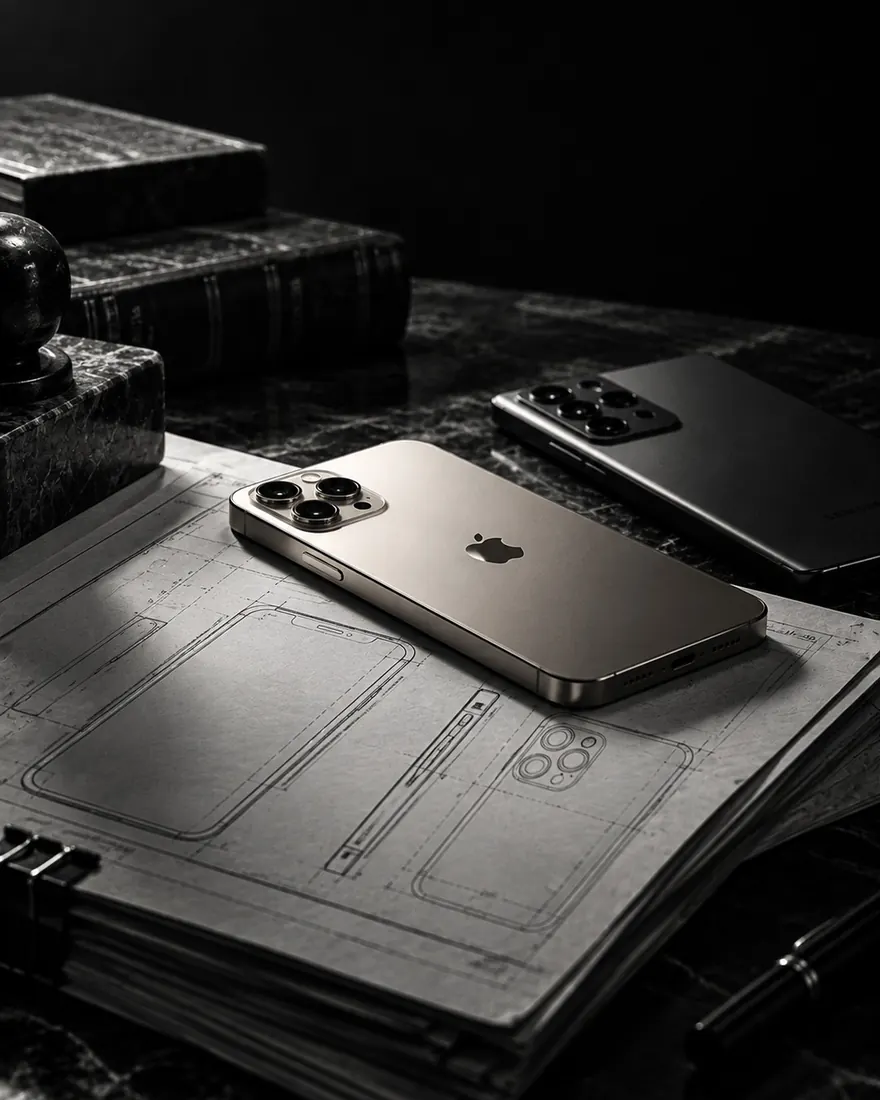
Apple v Samsung: The $539M Proof That Design Is Property
Rounded corners, a grid of icons, a black front face. Apple registered them — and a decade of litigation ended with Samsung paying hundreds …
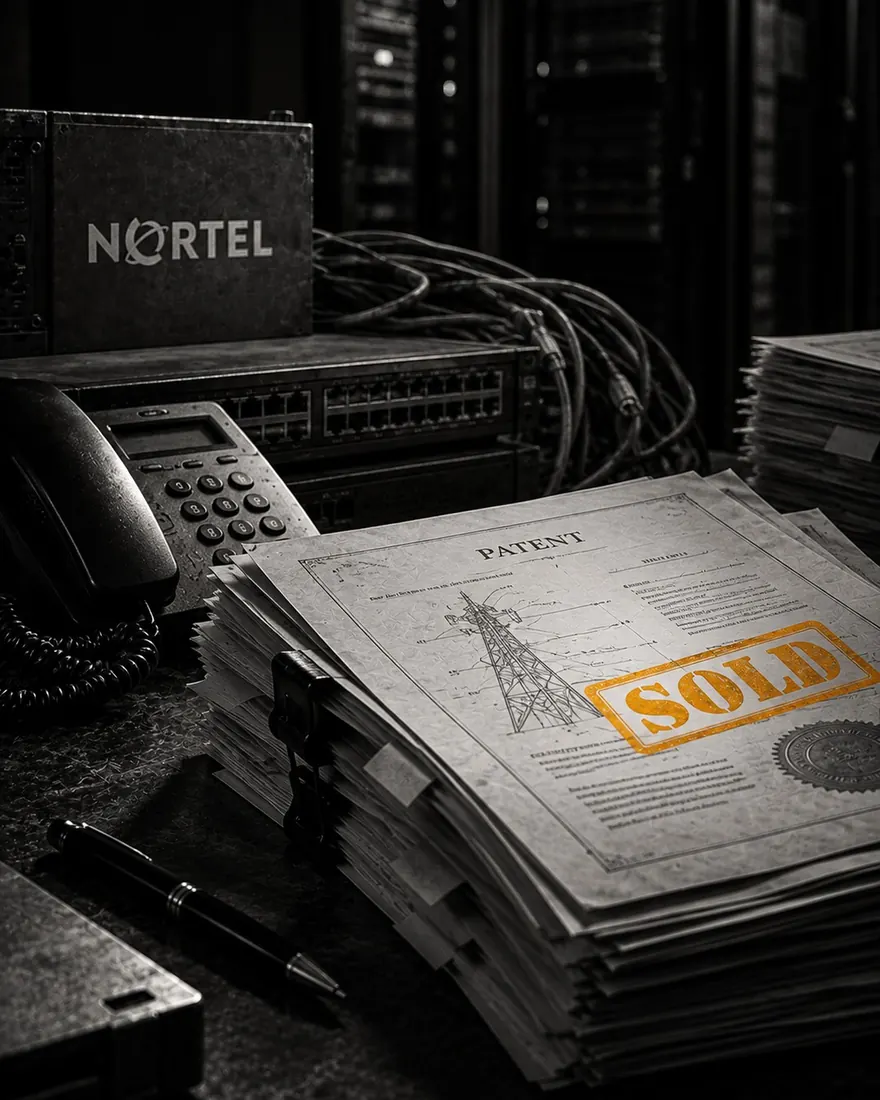
Nortel’s $4.5 Billion Goodbye: A Portfolio Outlives a Company
Nortel went bankrupt. Its 6,000 patents did not. Apple, Microsoft, Ericsson and others paid $4.5 billion for the portfolio — five times the …
IBM: Turning a Patent Pile Into a Billion-Dollar Habit
For decades IBM topped the US patent charts — and turned that discipline into roughly a billion dollars a year of licensing income at its pe…

Dolby: The Company You Hear but Never Buy
Dolby does not sell you speakers. It licenses technology and a logo to nearly every device that plays sound — a business where the IP itself…
ARM: A Chip Empire That Never Built a Chip
Nearly every smartphone on Earth runs on ARM architecture. ARM manufactures nothing. Its entire business is licensing designs — proof that I…
TVS v Bajaj: The Patent Fight That Changed Indian IP Courts
Bajaj's twin-spark patent against TVS's Flame became one of India's defining patent battles — and pushed the Supreme Court to demand speedy …
Amul: Fifty Years of Suing for a Butter Girl
Amul enforces against bakeries, garment sellers, and lookalike dairies alike. That relentlessness is why a cooperative's mark stayed unclona…
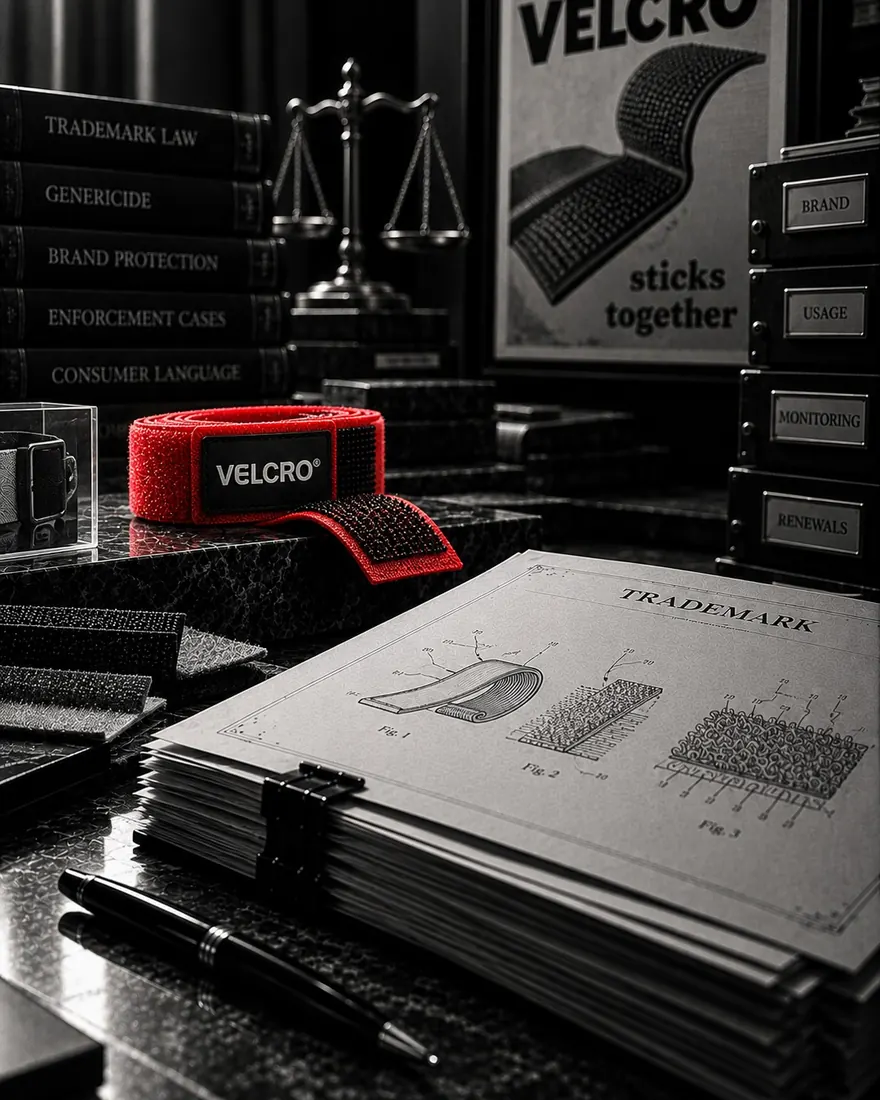
Velcro’s Lawyers Sang So the Brand Would Not Die
When your brand becomes the word for the product, you can lose the trademark entirely. Velcro fought 'genericide' with usage rules — and a v…
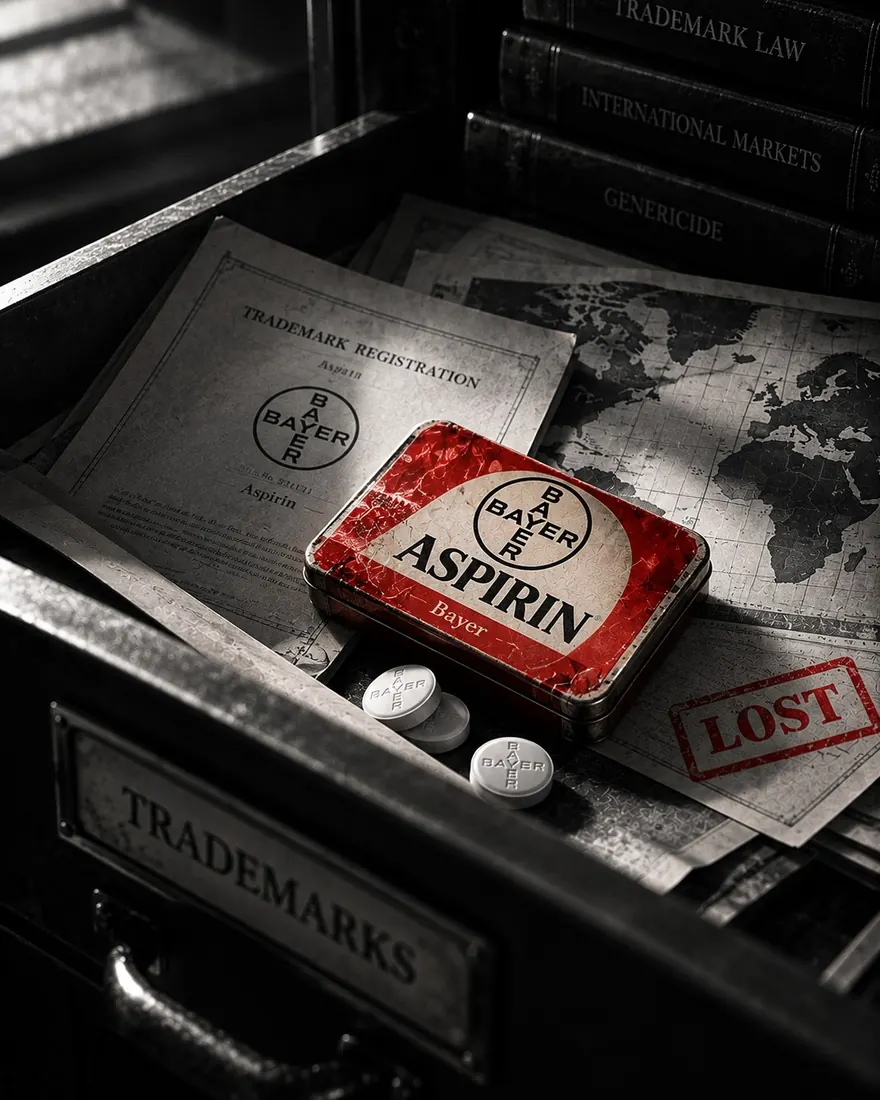
Aspirin: The Trademark a Company Let Slip Away
In much of the world 'aspirin' is just a drug name. It was Bayer's trademark — lost where it went unwatched and undefended. The oldest cauti…
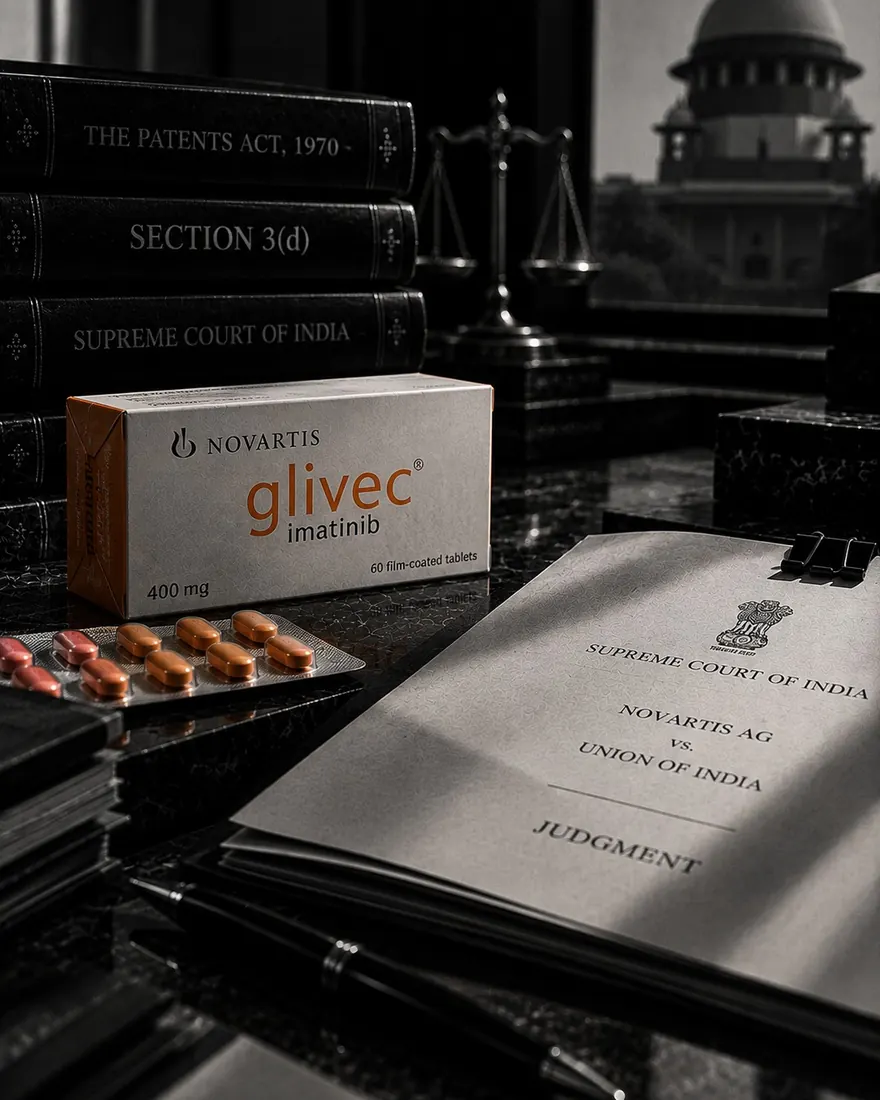
Novartis and Section 3(d): Learning What India Will Not Patent
Novartis spent years pursuing an Indian patent on a cancer drug form and lost at the Supreme Court in 2013. The reason was not novelty. It w…
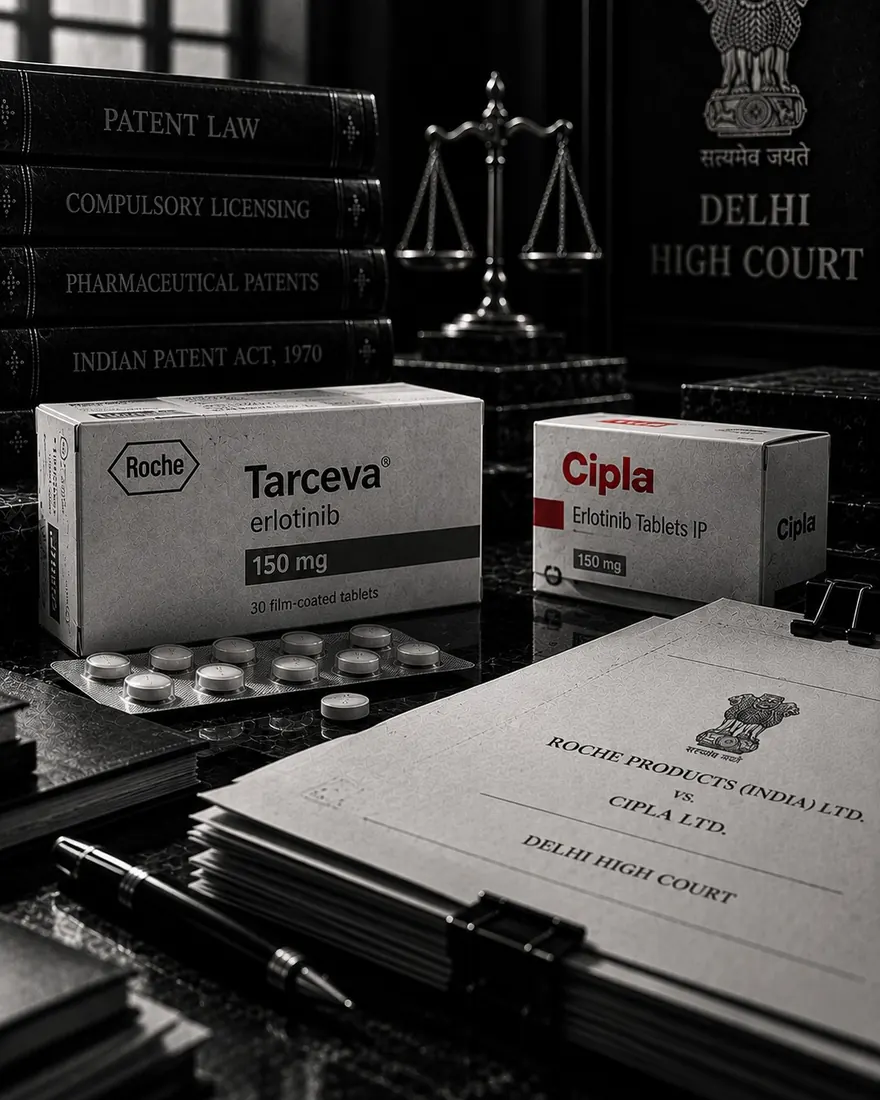
Roche v Cipla: India Runs Its First Real Patent Trial
A multinational held an Indian patent. A domestic manufacturer launched a generic anyway. What followed was the first post-2005 Indian pharm…
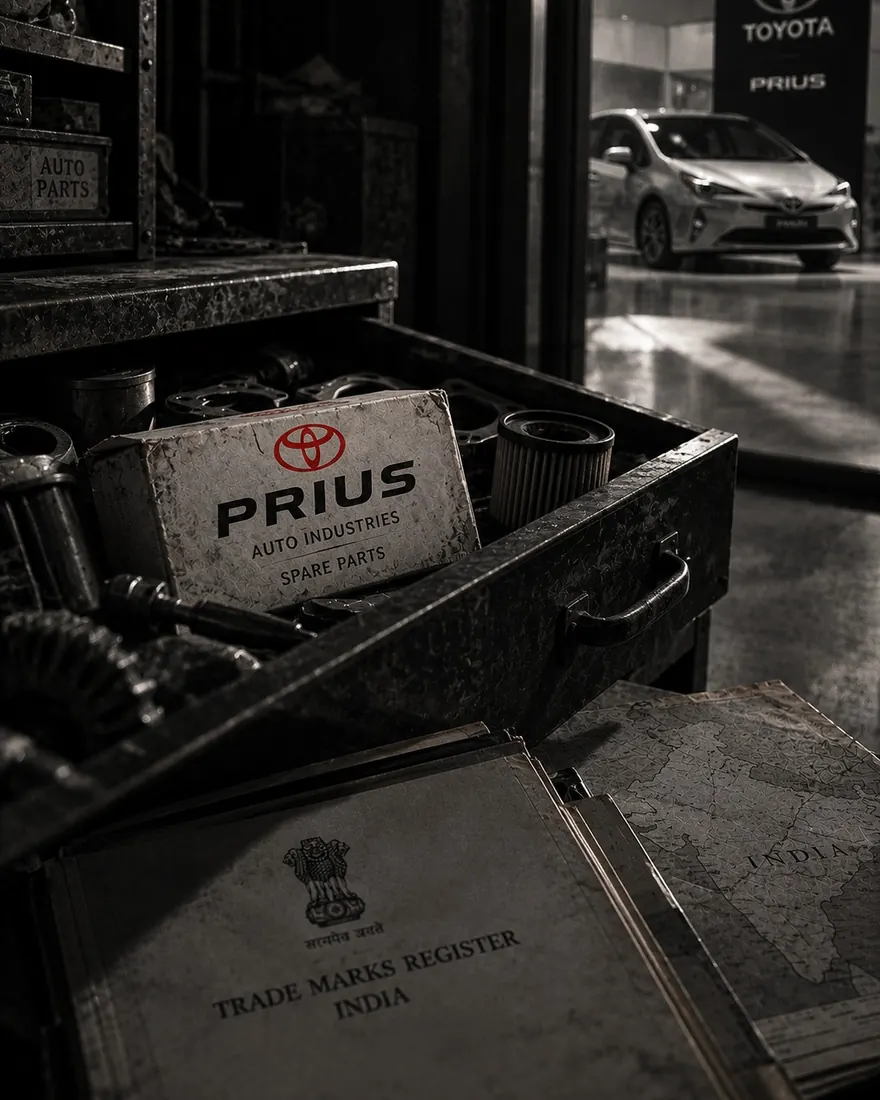
Toyota Lost Prius in India Because It Arrived Late
A Delhi auto-parts firm registered the name Prius in India years before Toyota brought the car here. In 2017 the Supreme Court let the local…
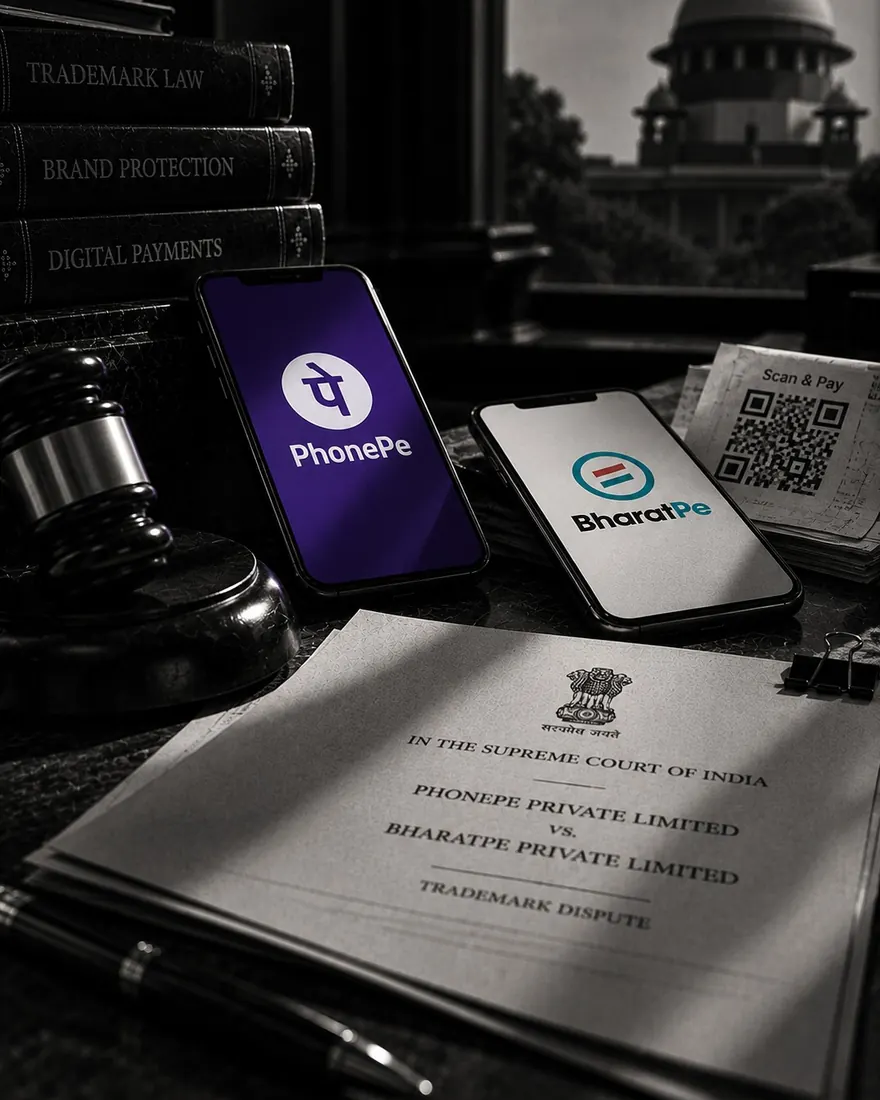
PhonePe v BharatPe: You Cannot Own the Part Everyone Needs
Two of India's biggest payment brands ended up in the Delhi High Court over two letters. The court's answer was uncomfortable for both of th…
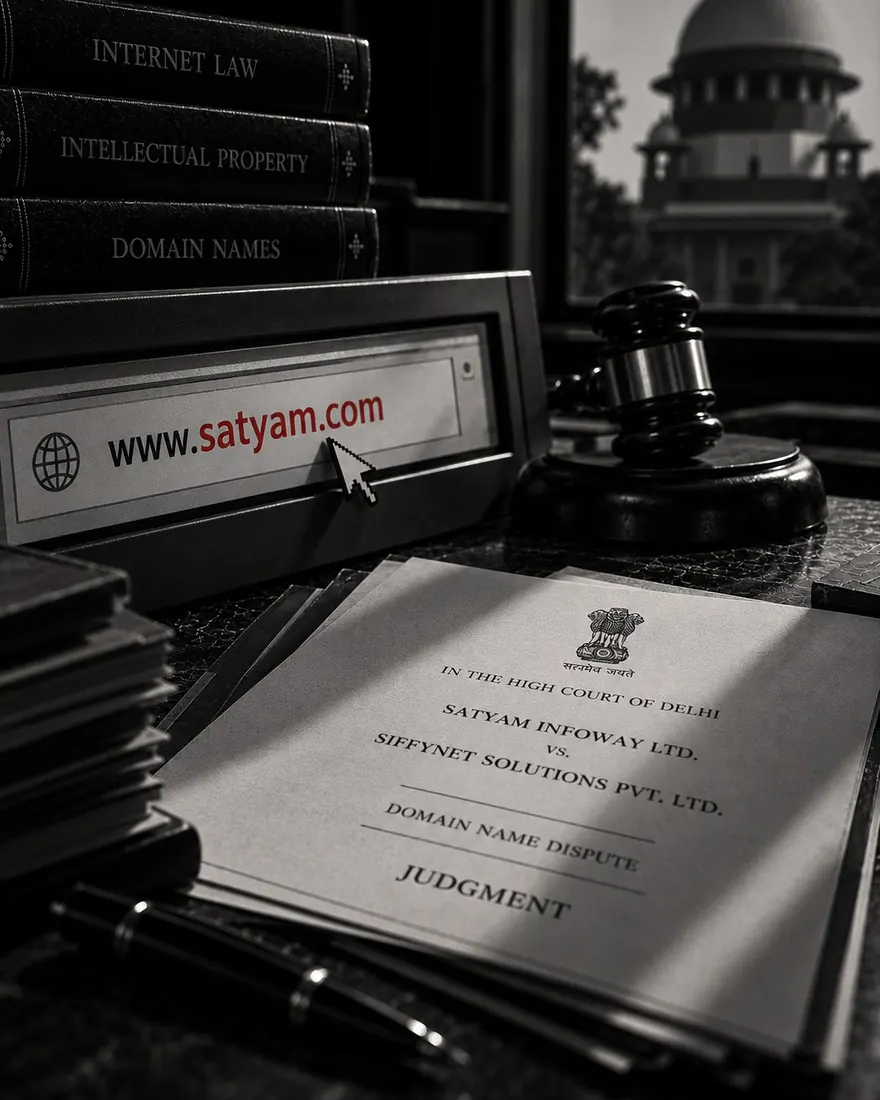
Satyam v Siffynet: The Case That Made a Domain Real Property
In 2004 the Supreme Court of India settled a question the internet had been asking for a decade: is a web address just an address, or is it …
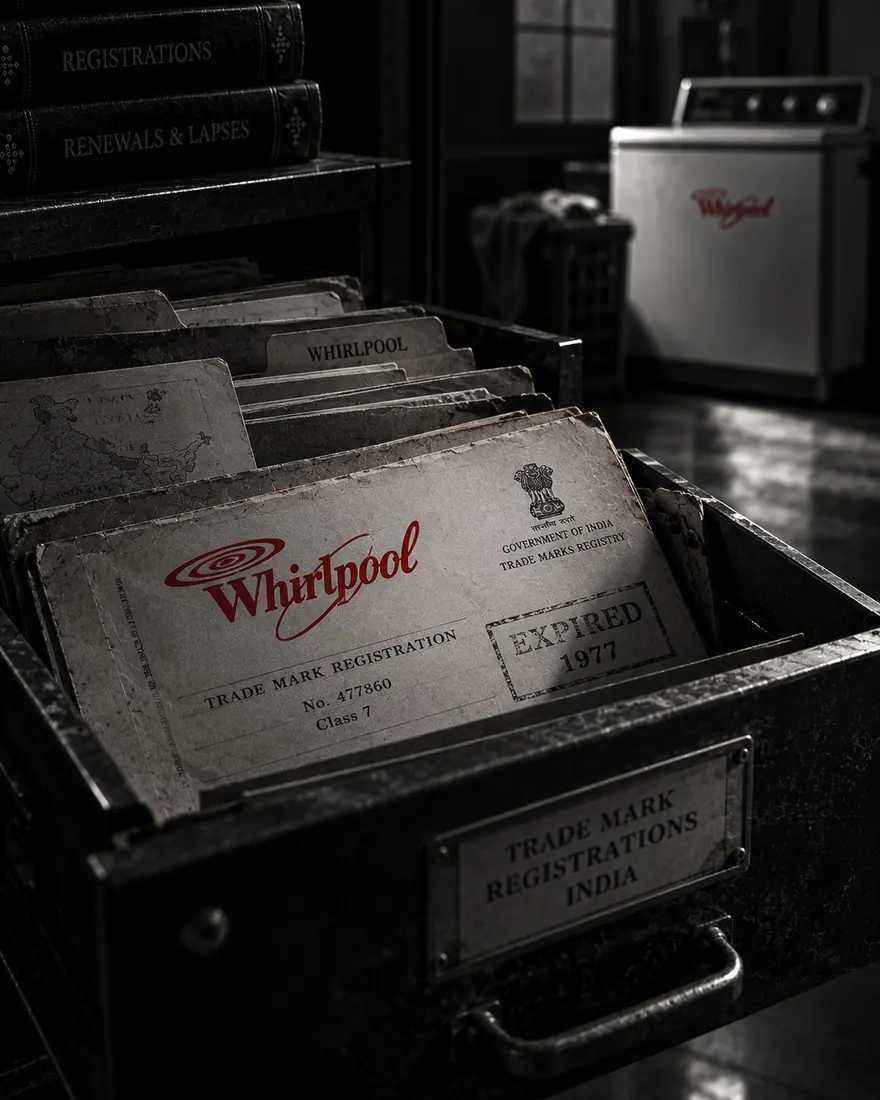
Whirlpool Won in India After Letting Its Own Registration Lapse
A global appliance brand found an Indian company registering its name for washing machines. Whirlpool eventually won on reputation alone, bu…
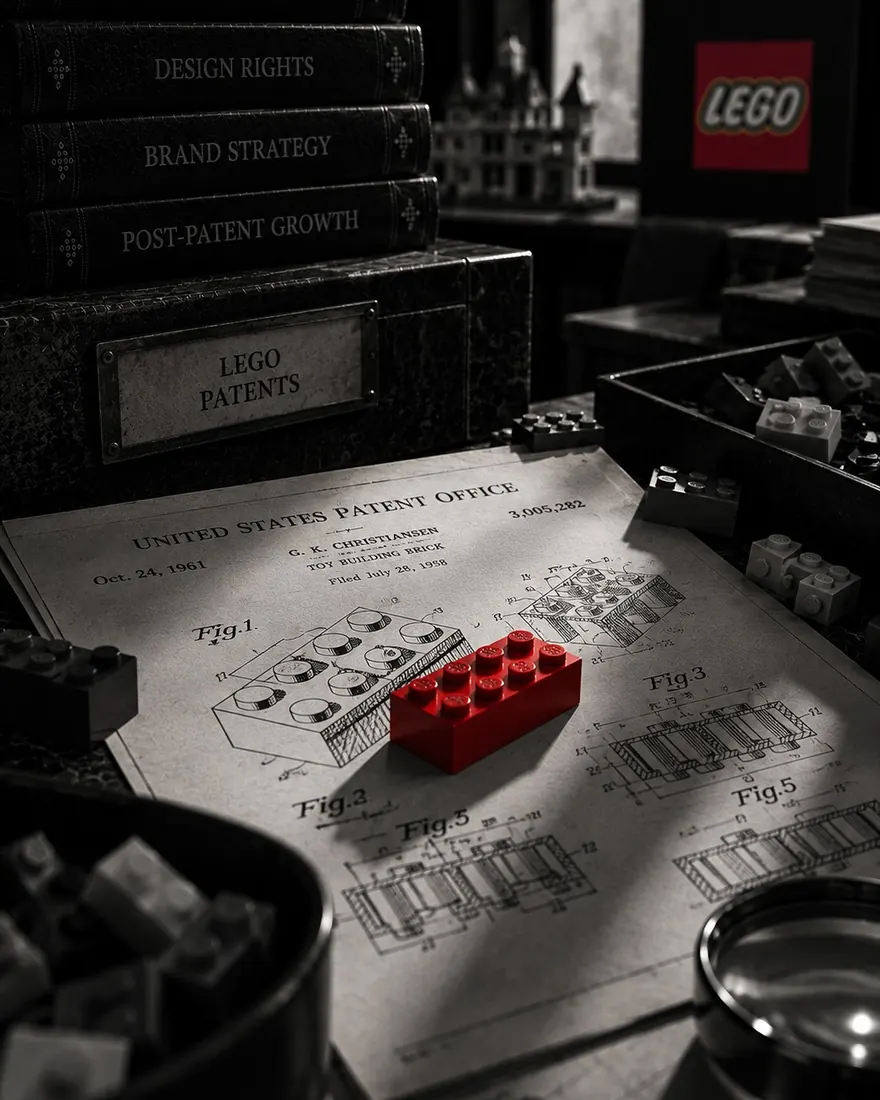
When Lego's Patents Expired, It Needed a Different Portfolio
Lego's patents on the interlocking brick expired decades ago. Its attempt to hold the shape through trademark law failed. What the company b…

Kodak Invented the Digital Camera and Sold the Patents in Bankruptcy
Kodak built the first digital camera prototype in 1975 and patented digital imaging extensively. In 2012 it filed for bankruptcy and sold th…

Bayer v Natco: India Granted a Licence Its Patent Holder Refused
In 2012 India granted its first compulsory licence, allowing a domestic company to manufacture a patented cancer drug without the patent hol…
Ericsson's Indian SEP Cases: Licensing the Patents Nobody Can Avoid
Ericsson brought standard-essential patent claims against India's fast-growing handset makers. The fight was never about whether the patents…

Starbucks v Sardarbuksh: The Enforcement That Ended in a Rebrand
A Delhi coffee chain adopted a name and a circular green logo that rhymed a little too closely with the world's largest coffee brand. The ca…
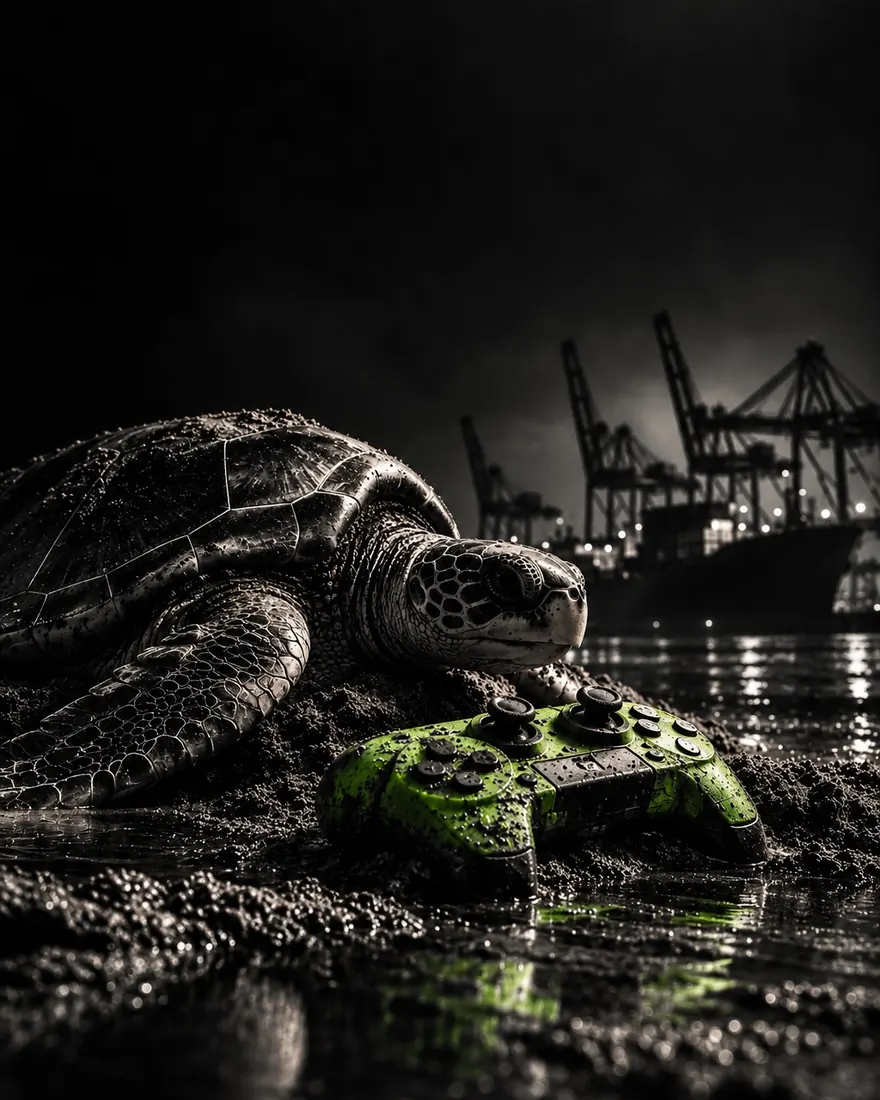
Tata v Greenpeace: The Case That Teaches When Not to Sue
Greenpeace put the Tata logo into a protest video game about turtles and a port. Tata sued. The Delhi High Court refused an injunction, and …

Yahoo v Akash Arora: India's First Cybersquatting Case, Won Without a Registration
In 1999 someone registered a domain built on the Yahoo name and offered similar services. Yahoo had no Indian trademark registration at the …
Rooh Afza v Dil Afza: A Century-Old Mark Defended One Syllable at a Time
Hamdard has sold Rooh Afza since the early 1900s. When a rival sharbat appeared as Dil Afza, the first court refused an injunction. The appe…
Every case on this page is a matter of public record, analysed editorially. None of the companies named are Platinova clients, and nothing here is legal advice — each page cites its sources.